
Macau Attractions
Macau Attractions
Macau is located on the western bank of the Pearl River Delta, bordering the South China Sea. As a Special Administrative Region of China, it maintains governance and economic systems distinct from those of the mainland.
The city bears the imprint of four centuries of cultural fusion between China and Portugal. Ancient temples stand alongside European-style architecture, harmoniously contrasting with modern luxury resorts. Recognized for its unique blend of Chinese and Western architecture and cultural heritage, Macau's historic center has been designated a UNESCO World Heritage Site.
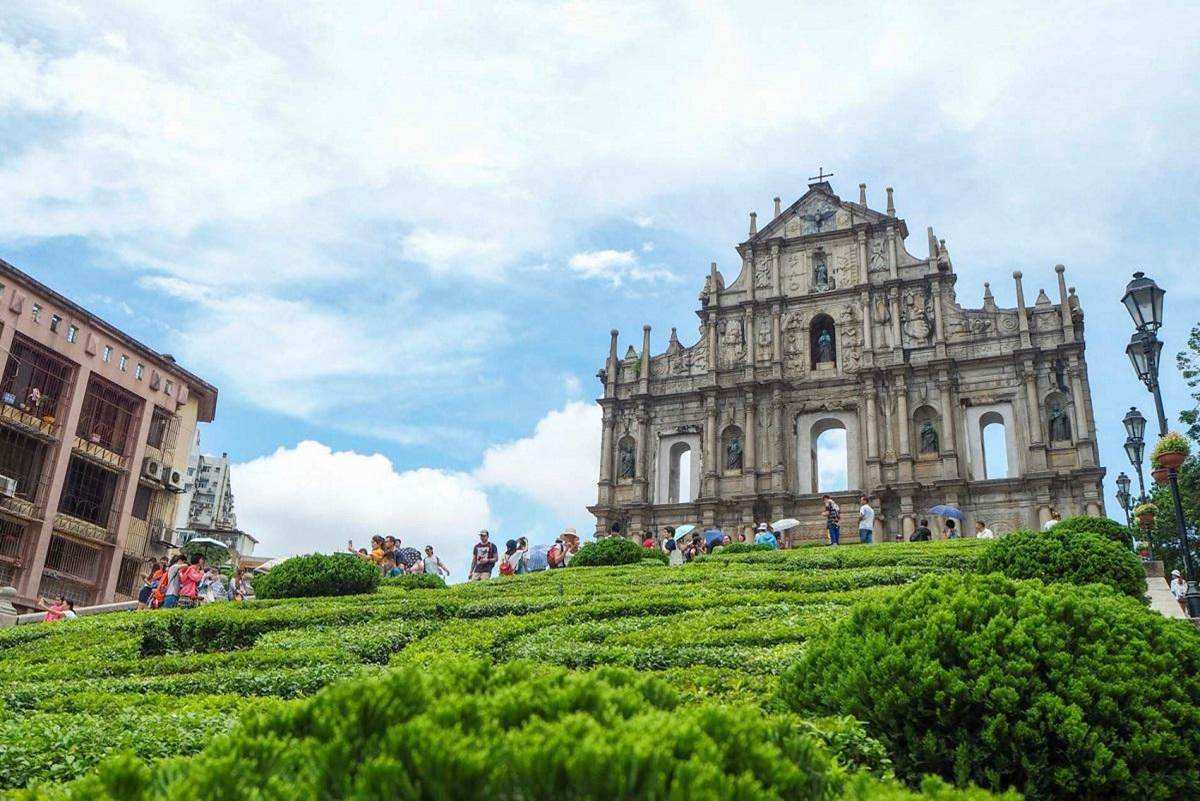
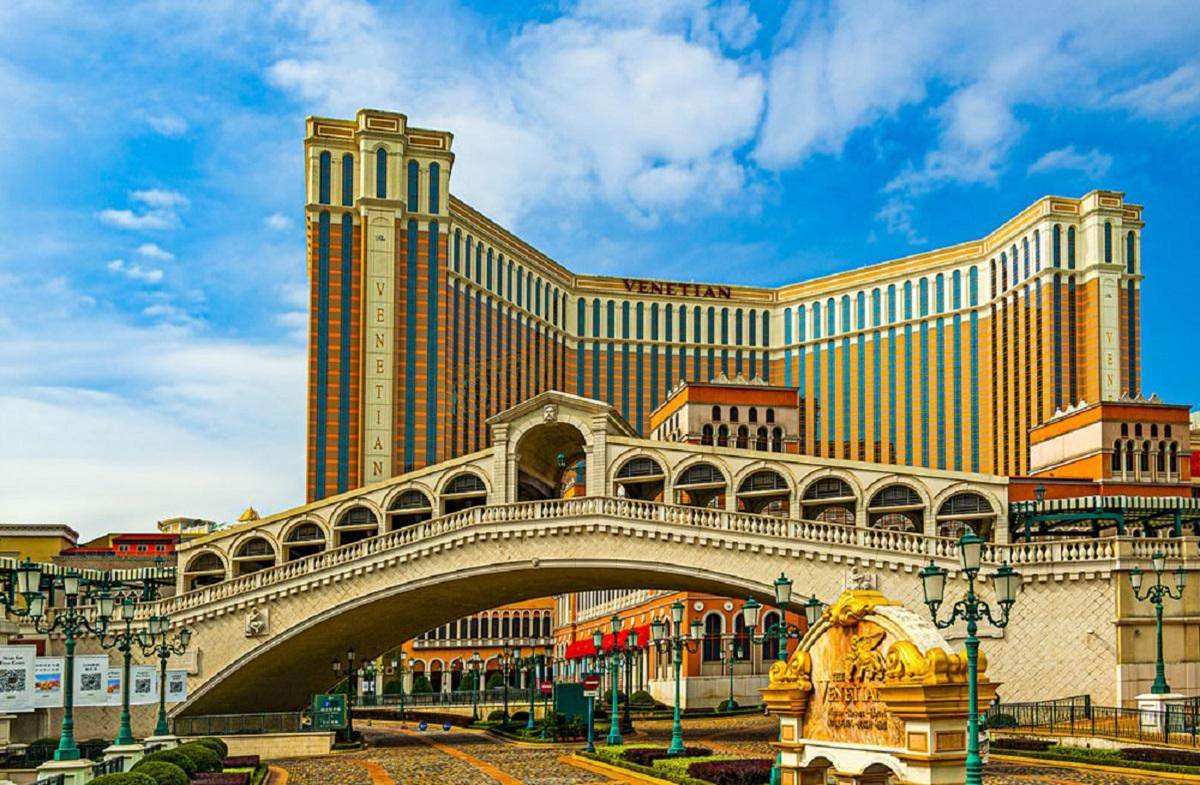
While Macau rivals Las Vegas in glamour and glitz, the appeal of this captivating city extends far beyond its casinos. From culturally rich historical sites to modern integrated resorts that offer entertainment for the whole family, this compact peninsula is one of Asia's most underrated travel destinations. What's more, it is easily accessible—just under an hour's journey from nearby Hong Kong.
For food lovers, Macau is a gourmet paradise waiting to be explored. The city offers a wide spectrum of dining experiences, ranging from innovative Chinese cuisine to authentic local street food. Particularly noteworthy is Macanese cuisine—a distinctive culinary tradition regarded as one of the world's earliest forms of fusion food. Blending primarily Portuguese and Cantonese influences, it also incorporates flavors from African, Malaysian, Indonesian, and other culinary traditions, creating a uniquely flavorful experience.
Macao World Heritage
Comprising over 20 monuments and urban squares interwoven in the heart of the city, the historic district is collectively known as "The Historic Centre of Macao" and inscribed on the World Heritage List in 2005.
Ruins of St. Paul’s College (Former Mater Dei Church, forecourt and staircase)
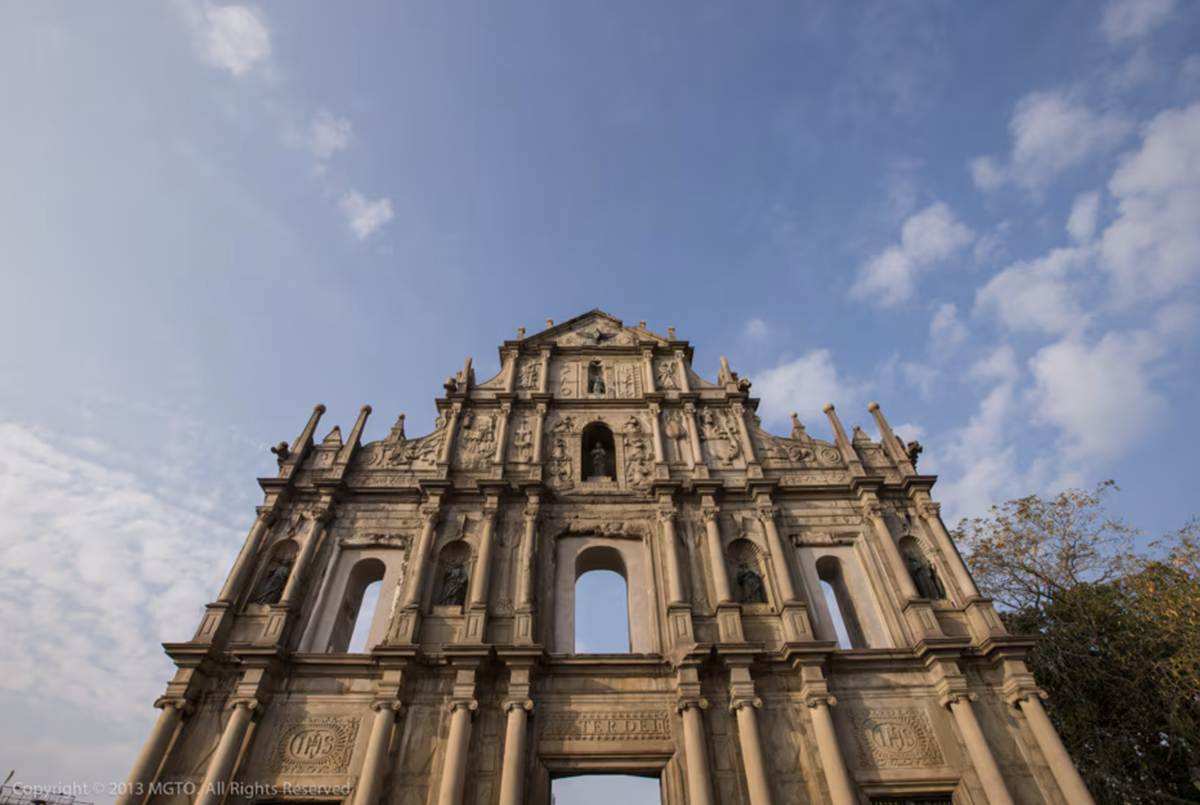
The Ruins of St. Paul's refer to the facade of what was originally the Church of Mater Dei built in 1602-1640, destroyed by fire in 1835, and the ruins of St. Paul's College, which stood adjacent to the Church. As a whole, the old Church of Mater Dei, St. Paul's College and Mount Fortress were all Jesuit constructions and formed what can be perceived as the Macao's "acropolis". Close by, the archaeological remains of the old College of St. Paul stand witness to what was the first western-style university in the Far East, with an elaborate academic programme. Nowadays, the facade of the Ruins of St. Paul's functions symbolically as an altar to the city.
A-Ma Temple (Barra Temple)
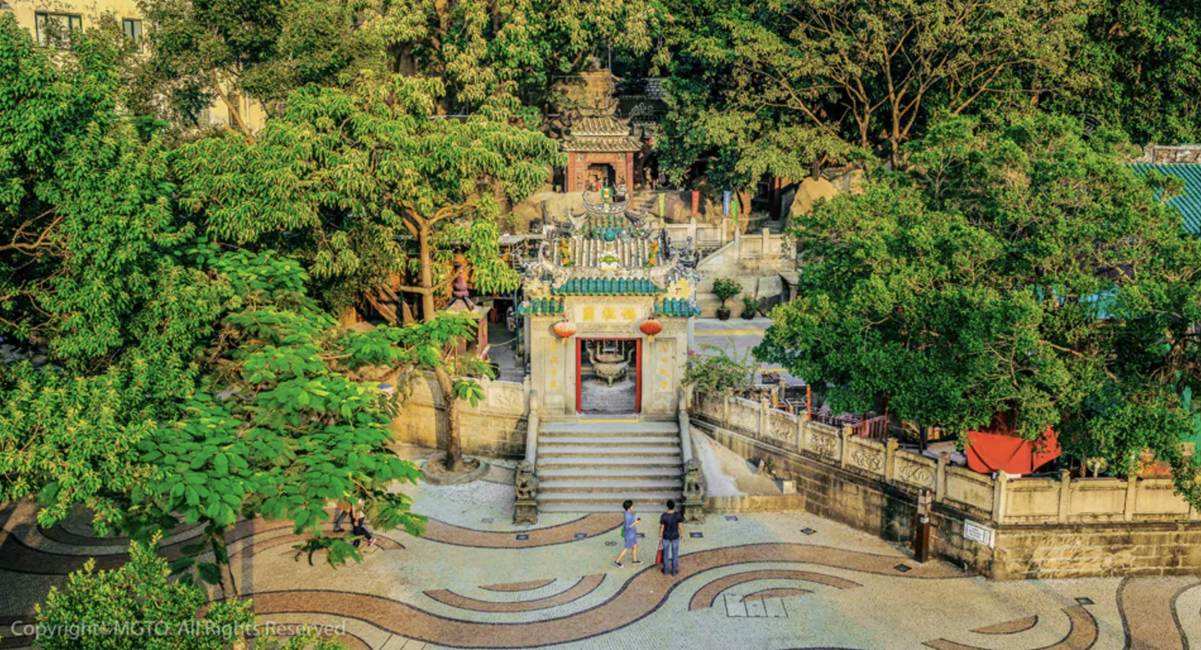
A-Ma Temple already existed before the city of Macao came into being. It consists of the Gate Pavilion, the Memorial Arch, the Prayer Hall, the Hall of Benevolence, the Hall of Guanyin, and Zhengjiao Chanlin (a Buddhist pavilion). The variety of pavilions dedicated to the worship of different deities in a single complex make A-Ma Temple an exemplary representation of Chinese culture inspired by Confucianism, Taoism, Buddhism and multiple folk beliefs.
Headquarters Building of the Municipal Affairs Bureau (Former Leal Senado Building)
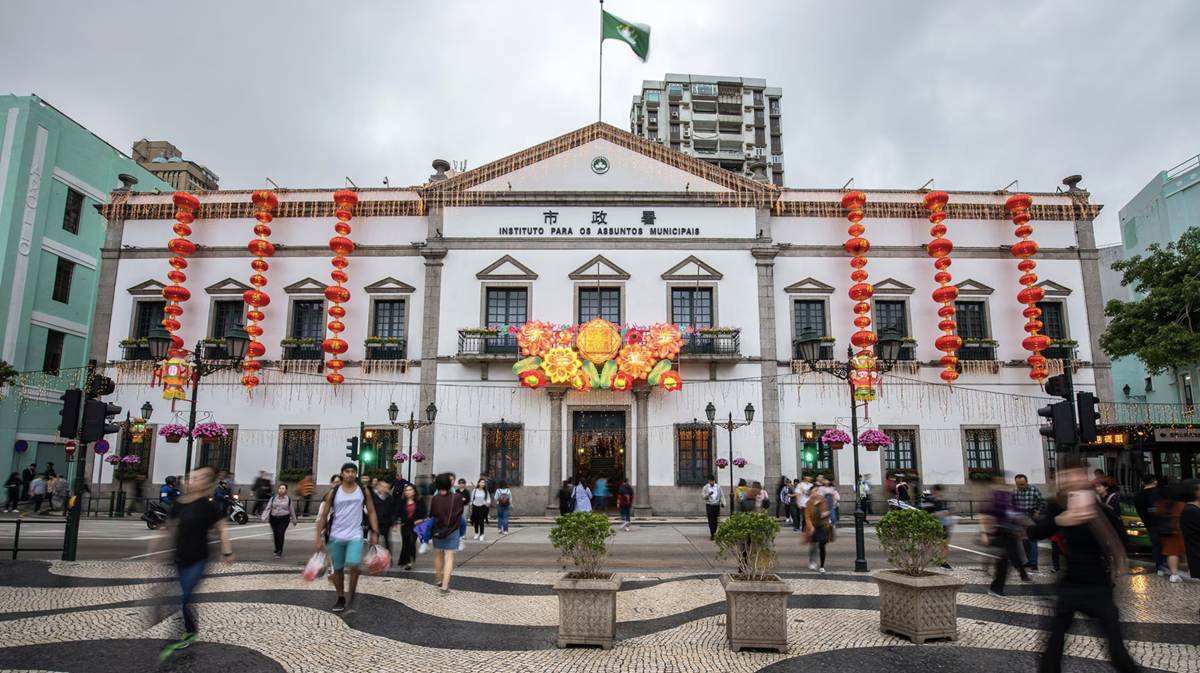
Originally built in 1784, this was Macao's first municipal chamber, a function it maintains to the present. The name "Leal Senado" ("Loyal Senate") derives from the title "City of Our Name of God Macao, There is None More Loyal" which was bestowed by Portuguese King Dom John IV in 1654. The "Leal Senado" Building (now known as IAM Building) is neo-classical in design and has retained all its original master walls and primary layout, including the courtyard garden in the back. Inside the building on the first floor there is a ceremonial meeting room that opens onto an elaborate carved library styled after the library of Mafra Convent in Portugal, and a small chapel.
For more Macao sightseeing attractions, you can visit the Macao Government Tourism Office website for details.Here is the link: https://www.macaotourism.gov.mo/en/




{{ 'en' == 'cn' ? item.name : item.name_en }}
{{ 'en' == 'cn' ? item.desc : item.desc_en }}